What to check before booking a Niagara Falls trip from Canada
Planning your visit to the Canadian side
A trip to Niagara Falls from the Canadian side is one of those experiences that almost everyone looks forward to. The sight of the Horseshoe Falls, the mist rising on a summer morning, and the low rumble you feel before you even see the water are all part of the draw. But between the excitement and the actual booking there is a set of practical checks that can make the difference between a smooth, memorable trip and one that feels rushed or frustrating. Knowing what to look at before you confirm anything helps you spend more time enjoying the falls and less time dealing with logistics.
Check the season and the crowds you are willing to handle
Niagara Falls is a year-round destination, but each season brings a completely different atmosphere. Summer, from June through August, is the busiest period. The parks are full, the boat tours run continuously, and the streets around Clifton Hill and Fallsview Boulevard are packed well into the evening. If you enjoy a lively, energetic scene, summer works well. But if you prefer a quieter visit, shoulder seasons such as late April to early June or September to October give you milder weather and noticeably smaller crowds. Winter is the least busy time, and the frozen spray on the railings and the low-hanging mist create a stark, beautiful landscape. Just be prepared for cold temperatures and some attractions that close or run reduced hours. Before you book, look up the expected crowd levels for the dates you are considering and decide what kind of energy you want around you.
Understand where you are staying and how close it really is
The location of your accommodation matters more than you might expect. Hotels right on Fallsview Boulevard or near Queen Victoria Park put you within a short walk of the main viewpoints. Properties farther out, especially those on the Niagara River farther north or in Niagara-on-the-Lake, offer a quieter setting but mean you will need a car or a regular shuttle to reach the falls. If you plan to visit the falls more than once during your stay, proximity becomes a key factor. Check the walking distance from your hotel to the main falls viewing area. An extra ten-minute walk each way adds up over a few days, and after a full day of walking, that distance can feel longer than it looked on a map. Also look at whether the hotel has its own parking or if you will need to use public lots, which can be expensive during peak season.
Look at the attractions you actually want to visit
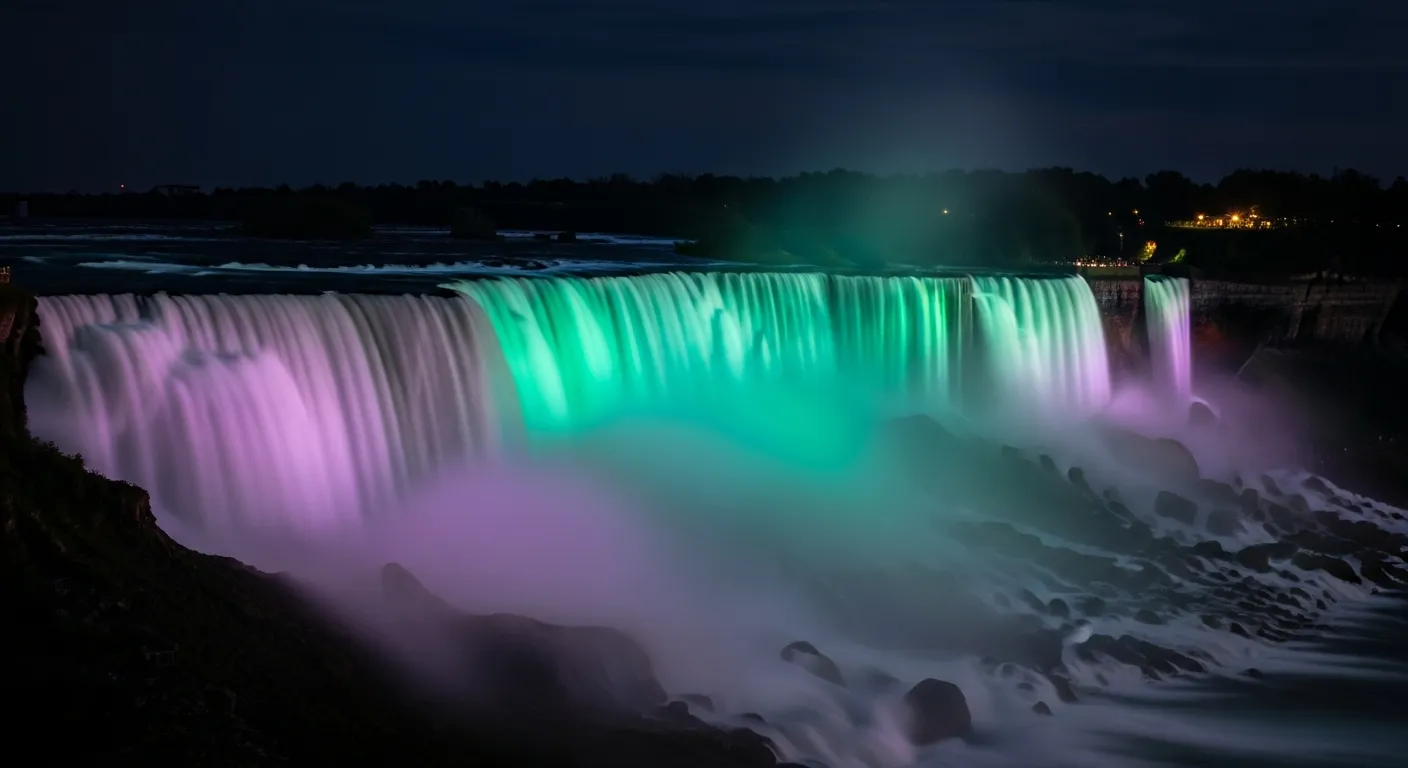
Niagara Falls is more than just the waterfall itself, and the list of things to do can be overwhelming. Before you book, decide which attractions matter most to you. The boat tour that takes you close to the base of the Horseshoe Falls is a classic choice, but there are also behind-the-falls experiences, the Journey Behind the Falls, the Niagara SkyWheel, and the Butterfly Conservatory. If you are interested in the natural history of the area, the Niagara Parks system offers several interpretive centres and walking trails. If you are more interested in entertainment, Clifton Hill has arcades, restaurants, and a lively nightlife. Make a short list of the top three or four things you really want to do. Then check whether those attractions are open during your travel dates, how far they are from each other, and whether combination tickets are available. Booking a package that bundles attractions you do not care about is not a bargain if it leaves you with less time for what you actually enjoy.
Check the transportation options from your starting point
Getting to Niagara Falls from within Canada is straightforward, but the method you choose affects your flexibility and your budget. Driving gives you the most freedom to stop along the way and to explore the region beyond the falls. But parking near the falls can be expensive and crowded, especially on weekends and holidays. Buses and trains run from Toronto and other major cities, and they drop you close to the main tourist area. A bus tour can simplify the entire day because it handles the driving, parking, and often includes timed entry to popular attractions. For a trip that covers the essentials without the hassle of navigating traffic and lots, a service like Niagara Falls Bus Tours offers a streamlined option. You arrive, you see the falls and the main sights, and you leave without worrying about the return drive. If you prefer to stay independent, check the schedules for GO Transit or Via Rail, and make sure the last return time aligns with your plans. The last thing you want is to cut your evening short because the train leaves at an awkward hour.
Examine what is included in the price
When you look at packages or tour prices, read the fine print carefully. A low advertised price often covers only the bus ride and basic entry to the falls viewing area. Add-ons such as the boat ride, admission to the indoor attractions, or a meal can double the cost. Before you book, get a clear list of what is included and what is extra. If you are booking through a third-party site, check whether the ticket is a timed entry or an open ticket. Timed entries require you to be at the attraction at a specific hour, which can feel restrictive if you like to wander at your own pace. Also check whether the price includes applicable taxes and fees. A quote that seems low at first glance may have service charges added at checkout. Compare the total cost, not just the headline number, and decide whether the convenience of a pre-arranged package is worth the premium over booking everything separately.
Look at the weather forecast but prepare for change
Niagara Falls has a climate that can shift quickly, especially in spring and fall. A sunny morning can turn into a chilly, rainy afternoon. The mist from the falls itself adds moisture to the air, so even on a dry day you will feel damp near the railing. Before you finalise your booking, check the long-range forecast for your dates, but pack for conditions that are a few degrees cooler and a little wetter than predicted. A light waterproof jacket, comfortable walking shoes with good grip, and an extra layer for the evening are all sensible items. If you are visiting in winter, bring warm boots and gloves, because the wind off the river makes the temperature feel much lower. A flexible itinerary that allows you to shift indoor activities to the rainiest part of the day will make the trip more comfortable.
Think about the time of day you want to see the falls
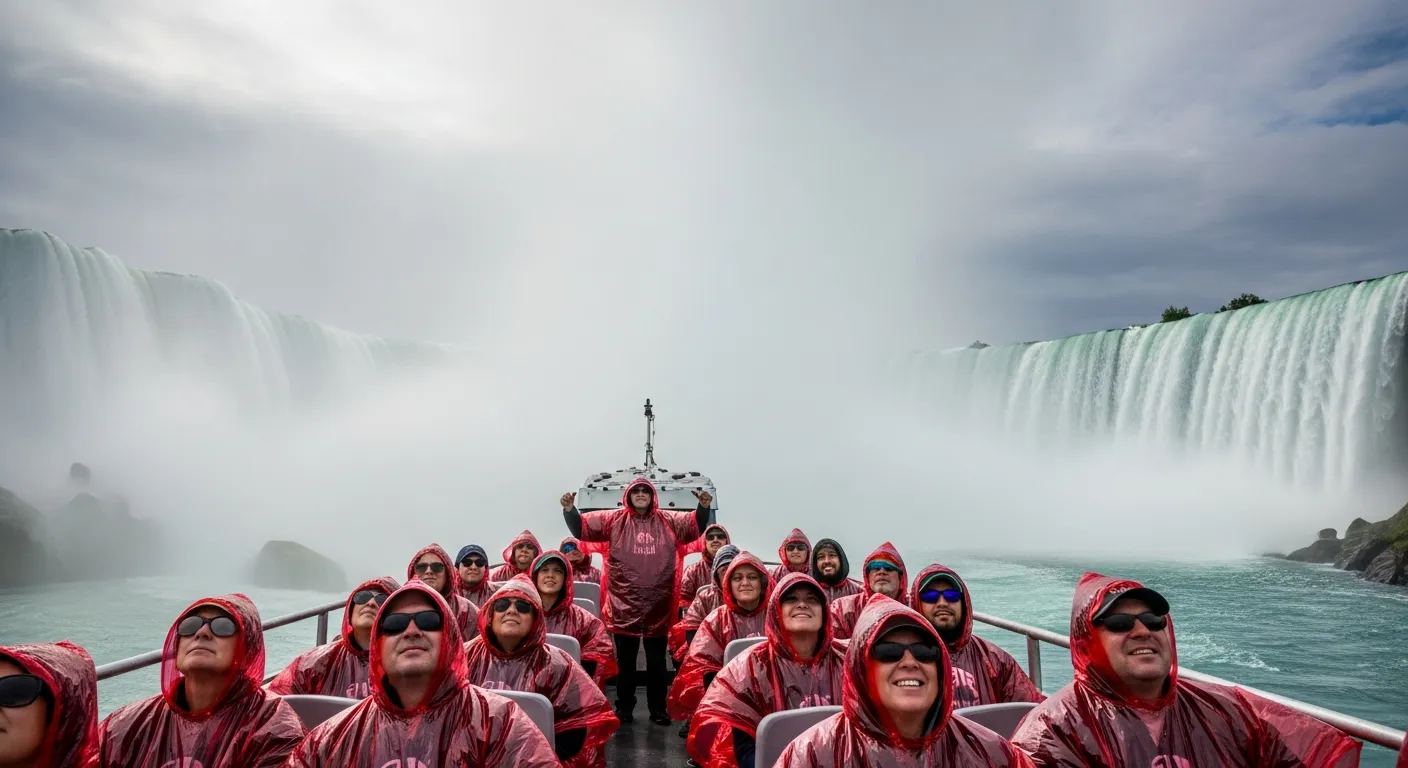
The experience of the falls changes dramatically from morning to night. Early morning offers soft light and fewer people. Midday brings the full sun and the rainbows in the mist, but also the biggest crowds. Evening is when the falls are lit up, and the illumination creates a completely different mood. Before you book, decide which part of the day matters most to you. If you want to see the illumination, check what time the lights come on, because the timing shifts with sunset throughout the year. Some tours include an evening stay, while others return in the afternoon. Make sure the schedule of your chosen tour or your own car rental allows you to be at the falls during the time of day you prefer. If you can manage both a daytime and an evening visit, that is ideal, but if you have to choose one, know which one you want before you commit.
Review the cancellation and refund policy
Plans change. Weather turns bad, a cold hits, or a work commitment shifts. Before you hand over any money, read the cancellation and refund policy of the tour operator, hotel, or attraction ticket seller. Some offer full refunds up to 48 hours before the date, while others give only a credit toward a future visit. A few have no refunds at all. If you are booking well in advance, consider travel insurance that covers trip cancellation for the reasons you are most likely to face, such as illness or a family emergency. Knowing that you have a way out if something goes wrong takes the pressure off and lets you relax into the trip. It is worth the few minutes it takes to read the terms rather than discovering them the hard way.
Consider the needs of everyone in your group
A trip that works for a solo traveller may not suit a family with young children or a group with older adults. Before you book, think about the physical demands of the itinerary. The walk from the parking area to the main viewpoints can be long, with stairs and uneven surfaces in places. The boat ride involves standing and some motion. The behind-the-falls experience includes walkways that are damp and sometimes slippery. If anyone in your group has limited mobility or gets tired easily, look for tours and accommodations that minimise walking distances and provide seating options. Also check whether the attractions you plan to visit have wheelchair access or stroller access if that matters to your group. A little advance checking saves the disappointment of arriving and finding that a key attraction is not accessible for someone in your party.
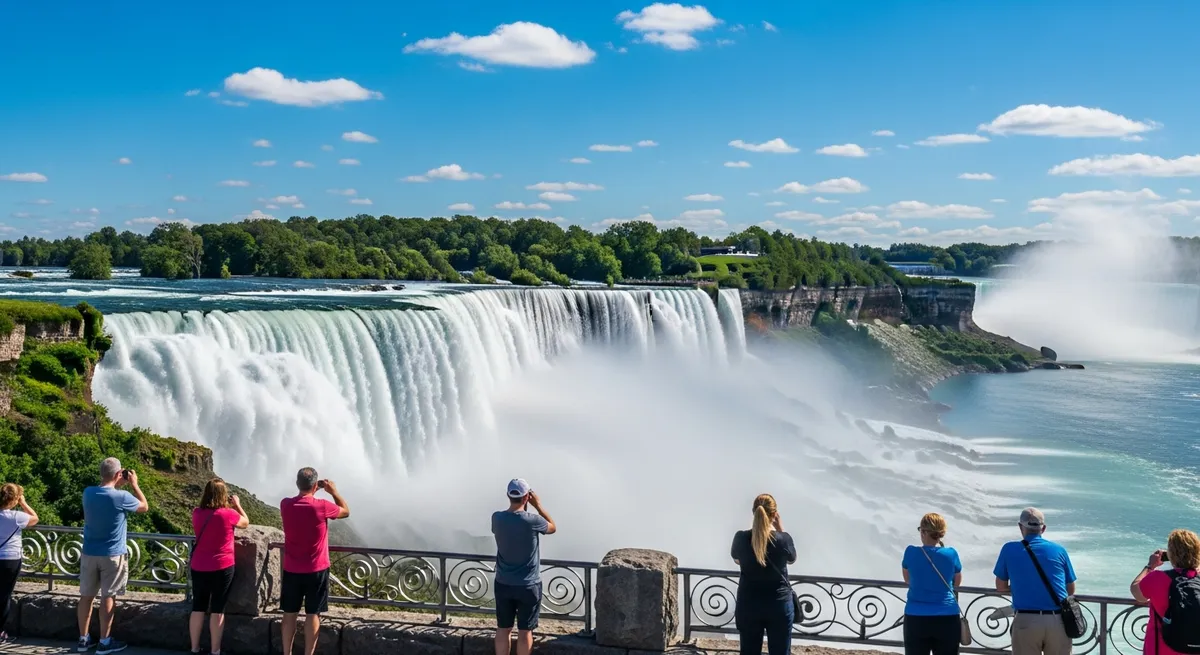
Taking the time to check these details before you book a Niagara Falls trip from Canada will leave you with a plan that fits your preferences, your budget, and your schedule. The falls themselves are magnificent no matter when you see them, but the quality of your overall experience depends largely on the decisions you make before you leave home. A few thoughtful checks turn a good trip into a great one.